


The cultural significance of casinos throughout history
Origins of Casinos in Ancient Civilizations
Casinos have a rich history that dates back to ancient civilizations, where forms of gambling were integral to societal rituals. In ancient China, for example, gambling was not only a pastime but also a means to resolve disputes and predict the future. Dice games and betting on animal fights were commonplace, illustrating the early human inclination toward risk-taking and chance. This fascination with luck soon expanded across cultures, laying the groundwork for the modern casino lizaro.

Similarly, ancient Romans embraced gambling, with betting games and chariot races captivating the masses. The Romans established rules and social norms around gambling, reflecting its importance in their culture. By creating spaces for gaming, they inadvertently set a precedent for the development of dedicated gambling establishments, akin to today’s casinos. This intertwining of gaming and social activities formed a foundation that would evolve through the ages.
These early practices showcased gambling as a significant cultural element, often linked to social gatherings and community bonding. As civilizations flourished, so too did the complexity of games and the emergence of formal establishments dedicated to gambling. This evolutionary journey highlights how casinos have historically served as more than just venues for games; they have been social hubs that reflect the values and aspirations of the societies that host them.
The Emergence of Modern Casinos
The transition from informal gambling to modern casinos began in the 17th century, particularly in Italy with the establishment of the first official casino in Venice. This marked a turning point as gambling moved from private settings to public venues, allowing a broader audience to participate. The Venetian Casino not only offered games but also created an atmosphere of luxury and exclusivity, attracting affluent patrons and establishing a blueprint for future casinos.
As gambling spread across Europe, various countries adapted casino culture to reflect their unique customs and societal values. The Monte Carlo Casino in Monaco, for example, became synonymous with glamour and sophistication in the 19th century, drawing elite gamblers from around the world. Such establishments were not only places of entertainment; they also served as symbols of economic prosperity and social status, reflecting the interconnectedness of wealth and leisure.
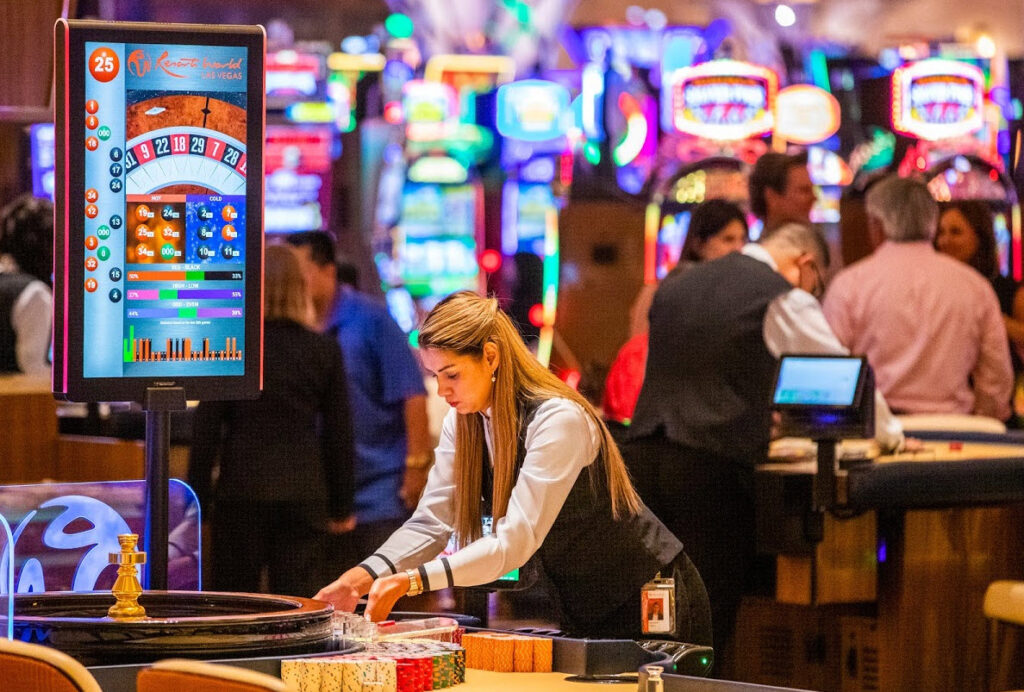
With the rise of gaming in America during the 20th century, particularly in cities like Las Vegas and Atlantic City, casinos transformed into extravagant entertainment complexes. These establishments evolved to include shows, dining, and nightlife, elevating the casino experience beyond gambling alone. The modern casino emerged as a cultural phenomenon, encapsulating aspirations of success, adventure, and escape, thus cementing its place in contemporary society.
Casinos as Cultural Icons
Over time, casinos have become more than venues for gambling; they are cultural icons that represent dreams and aspirations. In popular media, casinos often serve as settings for movies and literature, symbolizing both fortune and peril. Films like “Casino Royale” and “Ocean’s Eleven” depict the glamour and risks associated with gambling, shaping public perception and fascination with casinos. These portrayals often emphasize the thrill of chance and the stakes involved, reflecting societal attitudes toward risk and reward.
The architecture and design of casinos also contribute to their cultural significance. Many casinos feature lavish interiors and unique themes, reflecting regional characteristics and historical references. For instance, the Bellagio in Las Vegas is known for its stunning fountains and Italian-inspired aesthetics, creating an immersive experience that goes beyond mere gambling. This attention to detail enhances the allure of casinos, making them landmarks in their respective locales.
Furthermore, casinos play a crucial role in community identity, often serving as tourist attractions that generate economic benefits. They bring visitors, create jobs, and stimulate local economies, thus intertwining their success with the well-being of surrounding communities. This symbiotic relationship underscores the broader cultural significance of casinos as spaces that influence both local identity and global perceptions of leisure and entertainment.
Societal Views and Responsible Gambling
While casinos are often viewed as sources of entertainment and luxury, they also face scrutiny regarding their social impact. The rise of problem gambling has prompted discussions about responsible gambling practices. Society increasingly recognizes the importance of ensuring that gaming remains a fun activity rather than a detrimental obsession. Consequently, many casinos are implementing initiatives to promote responsible gambling, providing resources and support for those in need.
Education on gambling risks has become integral to the casino experience, emphasizing informed decision-making. Casinos often incorporate self-exclusion programs and staff training to help identify and assist individuals who may be experiencing gambling-related issues. This proactive approach seeks to balance the entertainment aspect with social responsibility, fostering a safer environment for all patrons.
Moreover, societal attitudes toward gambling are evolving, with a growing acceptance of regulated gaming. Many communities are embracing casinos as legitimate forms of entertainment while advocating for responsible practices. This shift reflects a broader understanding of personal choice, responsibility, and the need for safeguards in an industry that holds significant cultural weight. As casinos navigate these complexities, their role as cultural institutions continues to evolve.
Exploring Lizaro Casino’s Role in Modern Gaming
Lizaro Casino, launched in 2025, embodies the latest innovations in the gaming industry. With a diverse selection of over 10,000 games from more than 79 software providers, it showcases the evolution of casinos in the digital age. The platform offers players access to a wide range of options, from traditional slots and table games to immersive live dealer experiences, reflecting contemporary preferences in gaming.
In addition to its extensive game offerings, Lizaro Casino prioritizes player engagement and satisfaction through enticing bonuses, such as a 250% welcome bonus and 350 free spins for new players. This strategy not only attracts new users but also enhances the overall gaming experience, emphasizing the importance of rewards in modern gambling culture. By providing a user-friendly mobile interface, Lizaro ensures that gaming is accessible and enjoyable, catering to the growing demand for mobile-friendly options.
Furthermore, Lizaro Casino emphasizes a commitment to safety and compliance with industry regulations, aiming to deliver a secure gaming environment. By implementing robust payment options and promoting responsible gambling practices, Lizaro contributes to the ongoing discourse surrounding safe gaming. As casinos continue to adapt to societal needs and technological advancements, platforms like Lizaro are at the forefront of shaping the future of gaming culture.
